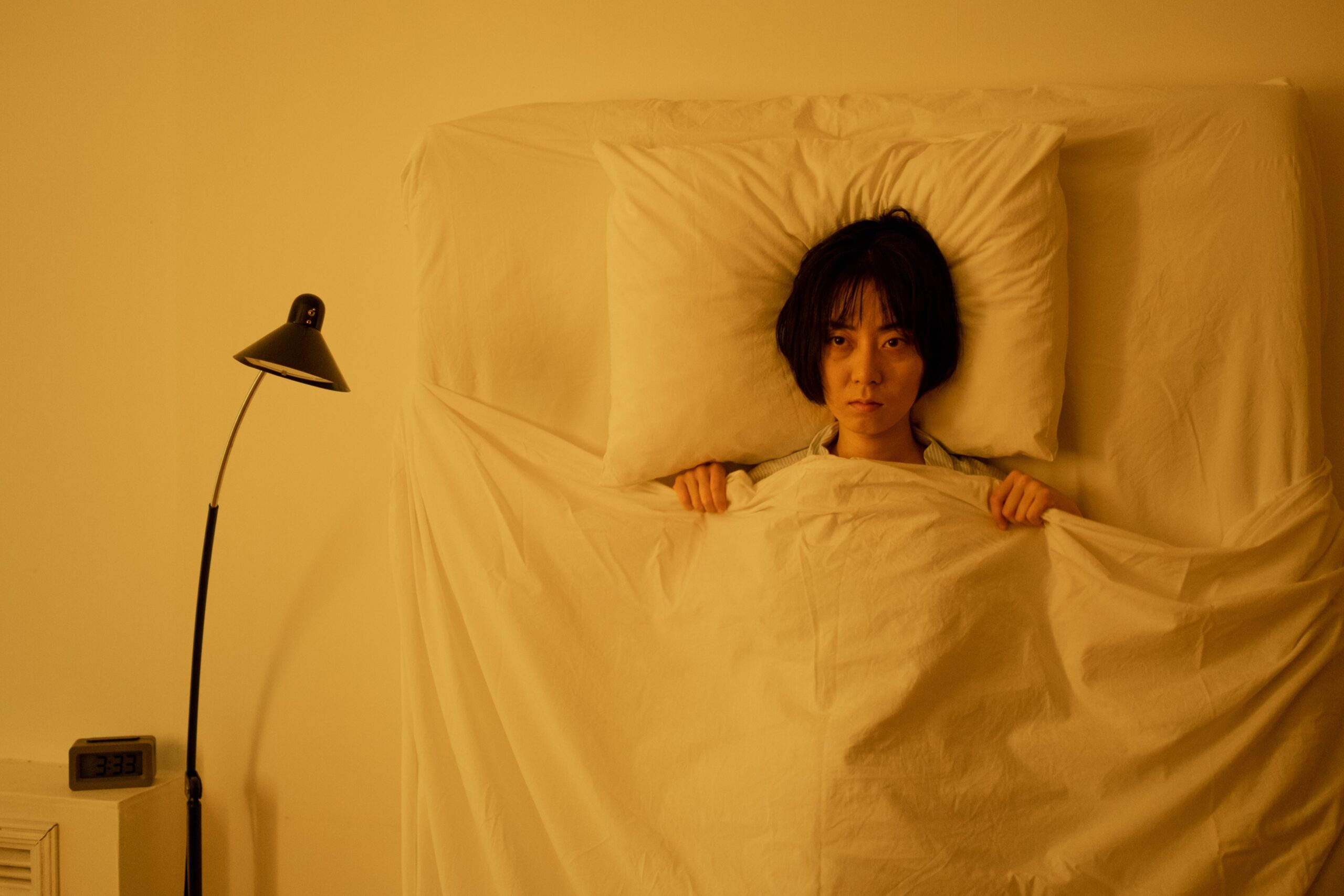

You forget why you walked into a room. A familiar name takes longer than usual to come to you. You read a page of a book and realize afterward that very little of it actually stuck. None of these things is particularly unusual on its own, but when they start happening more often, it’s easy to wonder whether something has changed.
That can lead to an uncomfortable question: Is this normal aging, or am I starting to lose my memory?
There is another possibility worth considering before you jump to either conclusion: your sleep. Sleep apnea has been getting fresh attention because, particularly in older adults, it doesn’t always look like the classic picture of someone who is obviously exhausted during the day. Problems with memory, concentration, slower thinking and mental clarity can sometimes be part of the picture instead.
That doesn’t mean your memory problems are caused by sleep apnea, and it certainly doesn’t mean that having a few of these symptoms means you have the condition. But it does raise a useful question: Could something happening while you sleep be contributing to the way you think and remember during the day?
Why Sleep Apnea Can Be Easy to Miss
When most people hear “sleep apnea,” they picture loud snoring, gasping for air and someone who can barely stay awake during the day. Those symptoms certainly can occur, but they don’t describe every person with the condition, and they may be particularly misleading when we’re talking about older adults.
A recent review of obstructive sleep apnea in older adults highlights the fact that daytime sleepiness may be less prominent in this population. Cognitive changes, including problems with attention, memory and executive function, can be part of the picture, making it possible for the underlying sleep problem to be overlooked or attributed to aging.
That matters because the symptoms themselves aren’t particularly dramatic. You might simply feel that you’re not as mentally sharp as you used to be. Perhaps conversations take a little more effort, you lose your train of thought occasionally, or concentrating on something you’ve read becomes harder than it once was. It’s easy to blame a busy schedule, stress or getting older without considering what is happening during the seven or eight hours you’re supposed to be sleeping.
Your brain doesn’t stop noticing poor sleep just because you don’t feel sleepy
Obstructive sleep apnea occurs when the upper airway repeatedly becomes blocked or narrowed during sleep. Breathing can stop or become severely restricted, followed by brief arousals that help restore normal airflow. These interruptions can happen many times during the night, and you may have no memory of most of them the next morning.
The result isn’t simply a shorter night’s sleep. Repeated disruption can fragment the normal pattern of sleep, while episodes of obstructed breathing can also be accompanied by intermittent drops in blood oxygen and other physiological changes.
So you can technically spend eight hours in bed and still wake up feeling that something isn’t quite right. For some people, the most noticeable consequence may be fatigue. For others, it may be that their attention, concentration or mental clarity isn’t what it normally is.
Sleep Problems Can Affect More Than Your Memory
It’s tempting to think about cognitive health as though it were one single ability called “memory.” In reality, everyday thinking depends on several different processes working together. You need to pay attention to something before you can properly remember it, hold information in your mind while you’re using it, process what you’re seeing or hearing, and retrieve information when you need it.
When sleep is repeatedly disrupted, some of these abilities may feel different the following day.
You might find yourself losing your train of thought more often, rereading information because it isn’t sinking in, taking longer to process what someone has just said, or struggling to find a word that you know perfectly well. You may also experience a vague sense of mental sluggishness that is difficult to describe but hard to ignore.
These experiences are not specific to sleep apnea. Stress, medications, mood, other medical conditions and ordinary changes associated with aging can affect attention and memory too. That’s why a list of symptoms shouldn’t be treated as a diagnosis.
A more useful question is whether there is a pattern that makes your sleep worth investigating.
If what you’re experiencing feels less like straightforward forgetfulness and more like general mental sluggishness, difficulty concentrating or a sense that your thoughts aren’t quite as clear as usual, you may also recognize some of the experiences described in What Does Brain Fog Feel Like? The Everyday Signs That Are Easy to Miss.
What Does the Research Say About Sleep Apnea and Memory?
This is where the subject gets more interesting, but also where it’s important to be careful about what the research actually shows.
Researchers have found associations between obstructive sleep apnea and aspects of cognitive function, including memory and processing. That doesn’t automatically establish a simple cause-and-effect relationship. Sleep apnea, cardiovascular health, metabolic health, age and other factors can overlap in complicated ways, which is one reason researchers continue to study the connection.
A recent study found a connection between OSA risk and memory problems
A 2026 study involving 946 older Canadian adults found that participants who reported memory problems had higher scores on the STOP-BANG questionnaire, which is commonly used to estimate the risk of obstructive sleep apnea. They also showed slower reaction times on a measure of cognitive processing.
The finding is interesting because it adds to the evidence that sleep-disordered breathing and cognitive performance can occur together in older adults. However, there is an important limitation: the study was cross-sectional. It examined the relationship between the factors rather than following participants over time to determine which came first.
There is another distinction worth making. STOP-BANG estimates risk of obstructive sleep apnea; it does not confirm that someone actually has sleep apnea or tell us how much physiological disruption they experience during sleep.
So the appropriate takeaway isn’t “sleep apnea causes memory loss.” The study supports a narrower conclusion: higher OSA risk was associated with poorer memory and slower cognitive processing in this group of older adults.
What about longer-term cognitive decline?
Another 2026 study provides a different piece of the puzzle. Researchers followed 777 older adults with obstructive sleep apnea for up to 10 years and compared cognitive trajectories among people who were and were not receiving CPAP treatment.
Cognitive performance declined over time in both groups, but the untreated group showed a faster rate of decline. The researchers estimated that cognitive decline was 69% faster among untreated participants than among those receiving CPAP treatment.
That’s certainly a finding worth paying attention to, but it needs to be interpreted within the limits of the study. This was observational research rather than a randomized clinical trial, so it cannot establish that untreated sleep apnea itself caused the difference, or that CPAP prevents dementia.
The researchers concluded that CPAP may slow cognitive decline in older adults with obstructive sleep apnea. That’s a much more cautious statement than saying treatment prevents Alzheimer’s disease or dementia, and it’s the distinction we should preserve when talking about this subject.
So what should you take from the research?
The evidence is substantial enough to take the sleep-cognition connection seriously, but not simple enough to turn a memory complaint into a sleep-apnea diagnosis.
Think of the research as a reason to investigate rather than a reason to jump to a conclusion. If your memory or concentration has changed and your sleep is also disrupted or unrefreshing, those two observations belong in the same conversation.
Sleep apnea isn’t the only possible explanation for cognitive decline. If you’re trying to understand the bigger picture, read why you’re forgetting things after 50 and what it may mean.
The Clues That Make Sleep Apnea Worth Investigating
If you’re noticing changes in memory or concentration, it makes sense to look beyond what happens during the day. Some of the more useful clues may actually be occurring while you’re asleep, when you aren’t in a position to observe them yourself.
A bed partner, for example, may notice loud or persistent snoring, pauses in breathing, or episodes of gasping and choking during the night. You may have no memory of any of this by morning, which is one reason sleep apnea can remain hidden.
There are also clues you can notice yourself. These may include waking frequently during the night, waking with a dry mouth or morning headache, feeling unrefreshed despite spending enough time in bed, or experiencing unexplained daytime fatigue. Problems with concentration, mental fogginess, slower thinking and memory can also be part of the picture. If you regularly wake with a headache, the location and pattern of the pain can provide another useful clue to consider. Problems with concentration, mental fogginess, slower thinking and memory can also be part of the picture.
The important word here is clues. None of these symptoms, individually or even in combination, proves that you have sleep apnea. Many can occur with other sleep problems or with completely different health and lifestyle factors.
The purpose of looking for these patterns isn’t to diagnose yourself. It’s to decide whether your sleep deserves a closer look.
What if you sleep alone?
This is an easy issue to overlook. If you sleep alone, there may be nobody beside you to notice loud snoring, pauses in breathing or gasping during the night. One source of information that often helps identify sleep apnea simply isn’t available.
That doesn’t mean you can’t recognize a problem. It just means that you may need to pay more attention to other patterns, such as how refreshed you feel when you wake, how often you remember waking during the night, and whether your daytime energy and concentration seem consistently different.
If several possible signs are present, discussing them with a healthcare professional is more useful than trying to diagnose yourself from a checklist.
Don’t Assume Every Memory Problem Is Sleep Apnea
This may be the most important point in the entire article.
Once you hear that sleep apnea can be associated with memory and thinking problems, it’s very easy to swing from one assumption to another. You don’t want to go from “I’m losing my memory” to “It’s just my sleep.” Neither conclusion can be made from a handful of symptoms.
Memory and concentration can change for many reasons. Sleep problems are one possibility, but stress, medications, mood, hearing problems, other medical conditions and neurological conditions can also play a role. Even ordinary attention problems can sometimes feel like memory problems because information that wasn’t properly noticed in the first place is harder to retrieve later.
This is why looking at the bigger picture is more useful than trying to attach a label to one symptom.
Sleep is one possible piece of the puzzle
Suppose you’ve noticed that you’re more forgetful lately. At the same time, you’re waking several times a night and rarely feel refreshed in the morning.
It would be reasonable to investigate your sleep.
But if your sleep seems fine and your memory changes are persistent or becoming more disruptive, that deserves attention too. The point isn’t to find the most convenient explanation. It’s to avoid overlooking something that may need to be addressed.
When should you talk to a doctor?
If changes in memory, thinking or concentration are persistent, getting worse, interfering with everyday activities, or causing you significant concern, bring them up with a healthcare professional.
That’s particularly relevant if you’re also experiencing several possible signs of sleep apnea. If a clinician suspects sleep apnea, symptoms alone aren’t enough to confirm it. A sleep study can be used to determine whether someone actually has obstructive sleep apnea and to assess its severity.
The goal isn’t to figure everything out from an article. It’s to recognize when something deserves a closer look and take the appropriate next step.
Your Sleep Is Only One Piece of the Picture
It’s also worth remembering that brain health doesn’t come down to one habit. Sleep is one part of a much bigger picture that includes movement, nutrition, cognitive activity, social connection and other protective factors.
If you’re noticing changes in memory, concentration or mental energy, stepping back and looking at those areas together can sometimes reveal a more useful picture than focusing on a single symptom.
That’s what the Brain Habit Score is designed to help you do. It looks across several areas of everyday brain health and helps identify where you may have the biggest opportunities to improve. Get Your Brain Health Score →
Final Thoughts
Forgetting a name, losing your train of thought or needing to reread something doesn’t automatically mean you’re experiencing cognitive decline. At the same time, poor sleep doesn’t automatically mean sleep apnea is behind those changes.
But when memory or concentration starts changing and your sleep isn’t right, there’s a good reason not to ignore the connection. Sleep apnea can sometimes show up in ways that are less obvious than simply feeling tired, particularly in older adults, and recent research continues to find associations between obstructive sleep apnea, cognitive performance and longer-term cognitive change.
So rather than immediately asking, “What’s wrong with my memory?”, it may be more useful to ask, “What else should I investigate?”
Your sleep may not explain everything you’re noticing. But it may be one important piece of the puzzle.
Sources & Further Reading
- Alzheimer’s & Dementia — 10-year OSA/cognitive decline study
Untreated obstructive sleep apnea and accelerated cognitive decline over 10 years - Frontiers in Psychology — OSA risk, memory and cognitive processing study
Obstructive sleep apnea risk is associated with a diminished cognitive profile - The Washington Post — current story that triggered our article
This common sleep disorder can be mistaken for cognitive decline