
You might expect memory problems to begin and end in the brain. But scientists are investigating another possible influence: the trillions of microbes living in your digestive system. These organisms help break down food, produce substances that interact with the body, and communicate with the brain through several biological pathways. Could changes in these gut bacteria affect how well you remember things? Research suggests they might, but the answer is more complicated than many headlines make it sound. Animal studies have produced intriguing results, while human research is still developing. Here’s what we know about the gut-brain connection, what the latest findings mean for memory, and whether changing your gut bacteria can actually help.
What Is the Gut-Brain Axis?
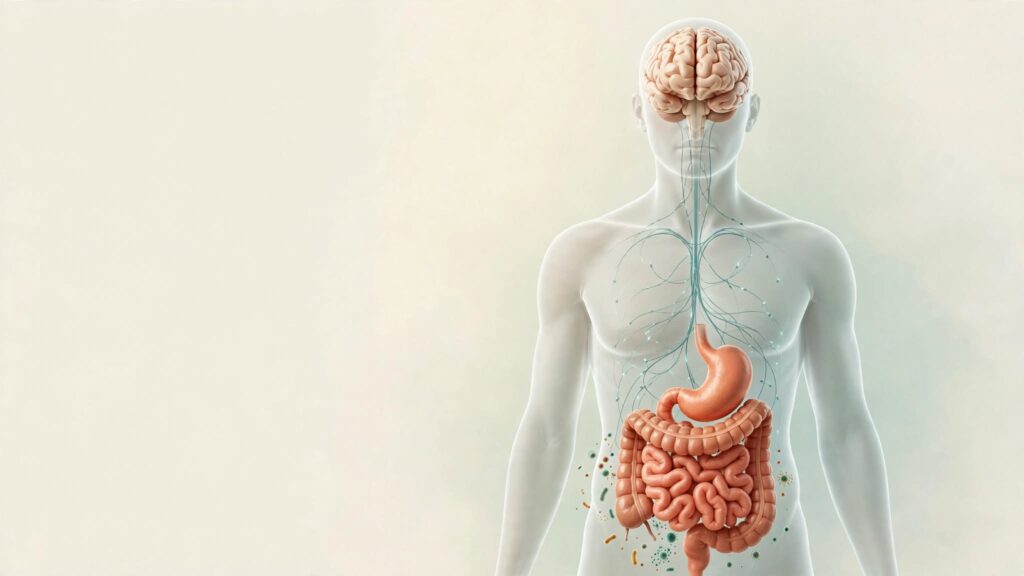
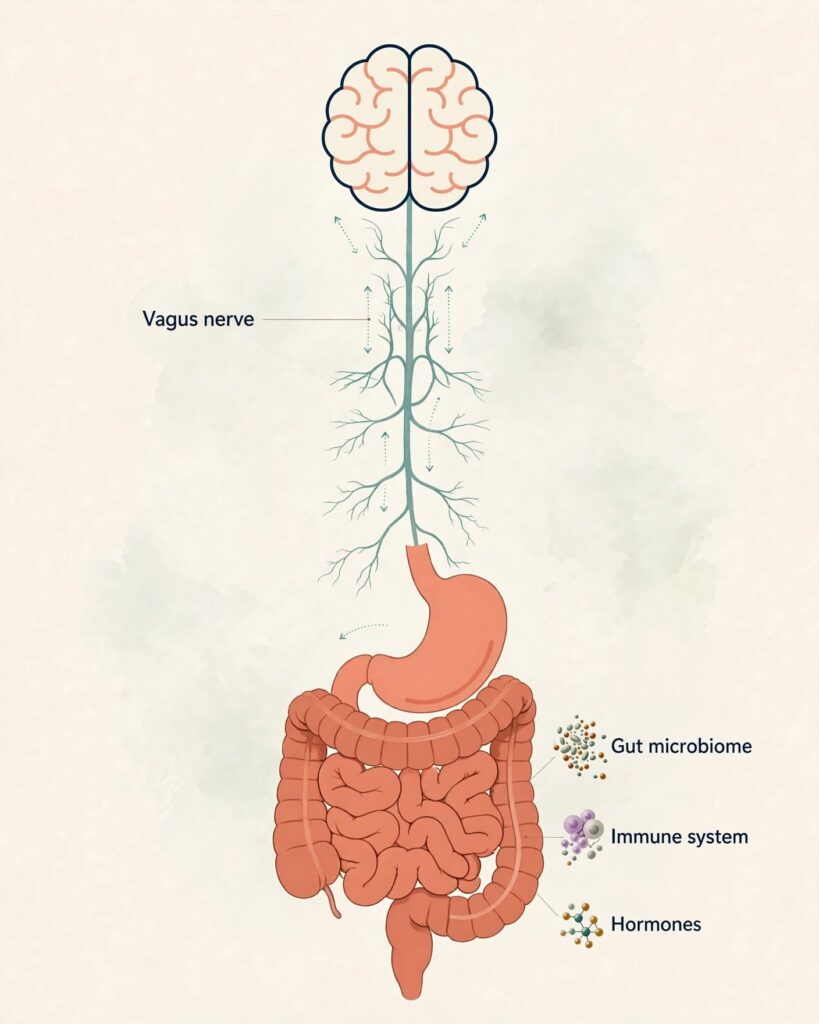
The gut-brain axis is the communication network connecting your digestive system with your brain. It works in both directions: your brain can influence digestion, and signals from your gut can influence processes in the nervous system.
Your gut contains trillions of microorganisms, including bacteria, that make up much of what researchers call the gut microbiome. These microbes do more than help digest food. They produce substances that interact with intestinal cells, influence immune activity and contribute to the chemical environment in which the gut and brain communicate.
Researchers sometimes use the term microbiota-gut-brain axis to emphasize the role of these microorganisms in that communication network.
How does the gut communicate with the brain?
Several pathways help carry signals between the gut and brain.
- The vagus nerve: This major nerve carries information between the digestive system and the brain, helping the two systems communicate.
- Immune signaling: The gut and its microbes interact with the immune system. Inflammatory signals can influence processes beyond the digestive tract.
- Microbial byproducts: Gut bacteria produce substances, including short-chain fatty acids, that can affect intestinal cells, immune responses and other signaling pathways.
- Hormones and chemical messengers: The digestive system releases hormones and other signals that help regulate bodily functions and communicate information to the brain.
These pathways are well established as parts of gut-brain communication, although researchers are still working out exactly how individual microbes and their products affect particular brain functions.
A useful distinction matters here: evidence that the gut communicates with the brain does not automatically prove that gut bacteria control memory. Researchers must establish which signals matter, how they work and whether changing them improves memory in humans.
How Could Gut Bacteria Affect Your Memory?
Memory depends on several brain processes, including attention, learning and the ability to form and retrieve information. Researchers are investigating whether gut microbes influence some of these processes through their effects on inflammation, nerve signaling and brain activity.
Three areas are particularly relevant.
1. Inflammation and immune signaling
Inflammation is part of the body’s normal defense system. However, persistent or poorly regulated inflammation can affect tissues throughout the body, including the brain.
Gut microbes interact with immune cells and influence the substances those cells produce. Researchers are studying whether changes in the gut microbiome can alter inflammatory signals in ways that affect brain function and memory.
This is one possible link between gut bacteria and cognitive health, but it is not a simple cause-and-effect relationship. Inflammation has many potential causes, and researchers have not established that an imbalance in gut bacteria is responsible for most everyday memory problems.
2. The vagus nerve and communication with the brain
The vagus nerve acts as an important communication route between the gut and brain. Signals originating in the digestive system can travel along this pathway and influence brain circuits involved in several functions.
Gut microbes may affect this communication through substances they produce or by influencing cells in the intestinal lining. Researchers are investigating how these signals might affect brain activity and behavior.
The mechanism is biologically plausible, but much of the detailed evidence about specific microbes and memory pathways still comes from experimental research rather than clinical studies in humans.
3. The hippocampus and memory formation
The hippocampus is a brain region that plays a central role in forming new memories and learning new information.
Researchers studying the gut-brain axis are examining how microbial changes, immune signals and other biological processes might affect the hippocampus. If these pathways influence the brain’s ability to form memories, gut bacteria could potentially contribute to differences in memory performance.
That possibility is one reason the subject has attracted so much scientific attention. However, finding a biological pathway that could affect memory is not the same as proving that a person’s digestive symptoms or microbiome are causing their forgetfulness.
Memory changes can have several possible explanations, as discussed in our guide to forgetting things after 50.
What Does the Research Really Say?
The most important question is not simply whether gut bacteria can influence the brain. It is how strong the evidence is, particularly when it comes to memory in humans.
What animal studies have found
A notable study published in Nature on March 11, 2026, investigated how age-related changes in gut bacteria affected memory in mice.
Researchers found that young mice performed worse on memory tasks when their gut microbial communities were altered to resemble those of older mice. The researchers also found that interventions targeting gut bacteria improved cognitive performance in aged mice.
The study explored a communication pathway involving signals from the gut and the nervous system, helping researchers understand how changes in the microbiome might contribute to age-related cognitive decline.
You can read the findings in the National Institutes of Health’s research summary.
These findings are important because they provide experimental evidence that changing gut microbes can influence memory performance in mice. But there is a crucial limitation: mice are not humans. A result in an animal model does not establish that the same intervention will improve memory in people, or that age-related memory changes in humans are caused by the same process.
The study gives researchers promising questions to investigate. It does not yet give us a proven treatment for human memory loss.
What human studies tell us so far
Human research has found associations between gut microbiome differences and cognitive health. Researchers are examining whether particular microbial patterns or substances produced by gut bacteria are related to memory, thinking and conditions involving cognitive impairment.
A 2024 perspective published in Cell Host & Microbe reviewed research on the human microbiome and cognition, highlighting potential biological mechanisms while emphasizing the complexity of these interactions.
Read the scientific perspective on the human microbiome and cognition.
However, studies that find differences in gut bacteria among people with different levels of cognitive function cannot, by themselves, show which came first or whether the bacteria caused those differences. Diet, medications, existing illnesses, physical activity and other factors may influence both gut microbes and brain health.
Human studies are therefore essential to determine whether the relationships observed in laboratory research translate into meaningful changes in memory.
What remains uncertain?
Researchers still need stronger evidence to answer several practical questions:
- Which specific gut microbes or microbial products influence memory in humans?
- Do these effects differ between younger and older adults?
- Can changing the gut microbiome reliably improve memory?
- Could particular interventions help some people but not others?
- Do these approaches prevent cognitive decline, or do they affect only certain measures of cognitive performance?
Until these questions are answered, it would be premature to conclude that an unhealthy gut causes memory loss or that restoring a particular balance of bacteria will improve it.
Can Gut Bacteria Symptoms Be Linked to Brain Fog or Memory Problems?
People often search for gut bacteria symptoms when they experience digestive discomfort and want to understand what might be happening in their bodies.
Common digestive symptoms include bloating, excess gas, abdominal discomfort, diarrhea and constipation. These symptoms can occur for many reasons, including dietary factors, food intolerances and digestive conditions. They do not automatically mean that the gut microbiome is unhealthy or that the brain is being affected.
For more information, the National Institute of Diabetes and Digestive and Kidney Diseases explains common gas symptoms and their causes.
Could digestive problems explain brain fog?
Brain fog is a general term people use for experiences such as difficulty concentrating, feeling mentally sluggish or struggling to think clearly. It is not a specific medical diagnosis.
If you’re trying to understand these experiences, our guide to what brain fog feels like explains common signs in everyday life.
Researchers are investigating possible links between gut health and brain function, but brain fog can have many potential explanations. Poor sleep, stress, certain medications, nutritional deficiencies and other health conditions may contribute to changes in concentration or thinking.
Having bloating or irregular bowel movements alongside brain fog does not establish that gut bacteria are responsible for both. The symptoms may have a shared cause, separate causes or no direct relationship.
The same caution applies to forgetfulness. If you regularly lose track of conversations, struggle to remember recent events or find that memory changes are affecting everyday activities, it is worth discussing them with a healthcare professional rather than assuming the gut is responsible.
Can Probiotics or Diet Changes Improve Memory?
If gut bacteria can influence brain function, it is reasonable to ask whether changing them could improve memory. Probiotics, prebiotics and dietary changes are all being studied, but the evidence varies by intervention and outcome.
What probiotic studies have found
Probiotics are live microorganisms that can provide health benefits when taken in appropriate amounts and under the right conditions. Different strains can have different effects, so findings from one probiotic cannot automatically be applied to every product.
Clinical trials have investigated whether probiotic supplements can improve cognitive performance in people with mild cognitive impairment or Alzheimer’s disease. Some reviews report potential benefits, while others find that the results are inconsistent or do not show statistically significant improvements in individual cognitive domains.
For example, a 2025 systematic review and meta-analysis examining specific cognitive domains found no statistically significant improvement in memory or several other measured outcomes among people with mild cognitive impairment or Alzheimer’s disease. Other meta-analyses published in 2025 reported improvements in overall cognitive scores, illustrating how conclusions can vary depending on the included studies, participants and outcome measures.
You can examine the findings in this systematic review of probiotics and cognitive outcomes and this 2025 meta-analysis of randomized controlled trials.
The practical takeaway is that probiotics are not an established treatment for memory loss. Research has not identified a universally effective supplement that reliably improves memory in everyone, and results from people with diagnosed cognitive impairment may not apply to healthy adults experiencing occasional forgetfulness.
If you are considering a probiotic for a digestive problem, choose it based on the evidence for that specific problem and discuss it with a healthcare professional when appropriate. Do not start one solely on the assumption that it will sharpen your memory or prevent dementia.
Can fiber-rich foods support the gut-brain connection?
Diet is one factor that influences the gut microbiome. Many gut bacteria use dietary fiber as a source of nourishment, producing substances such as short-chain fatty acids as they break down certain carbohydrates.
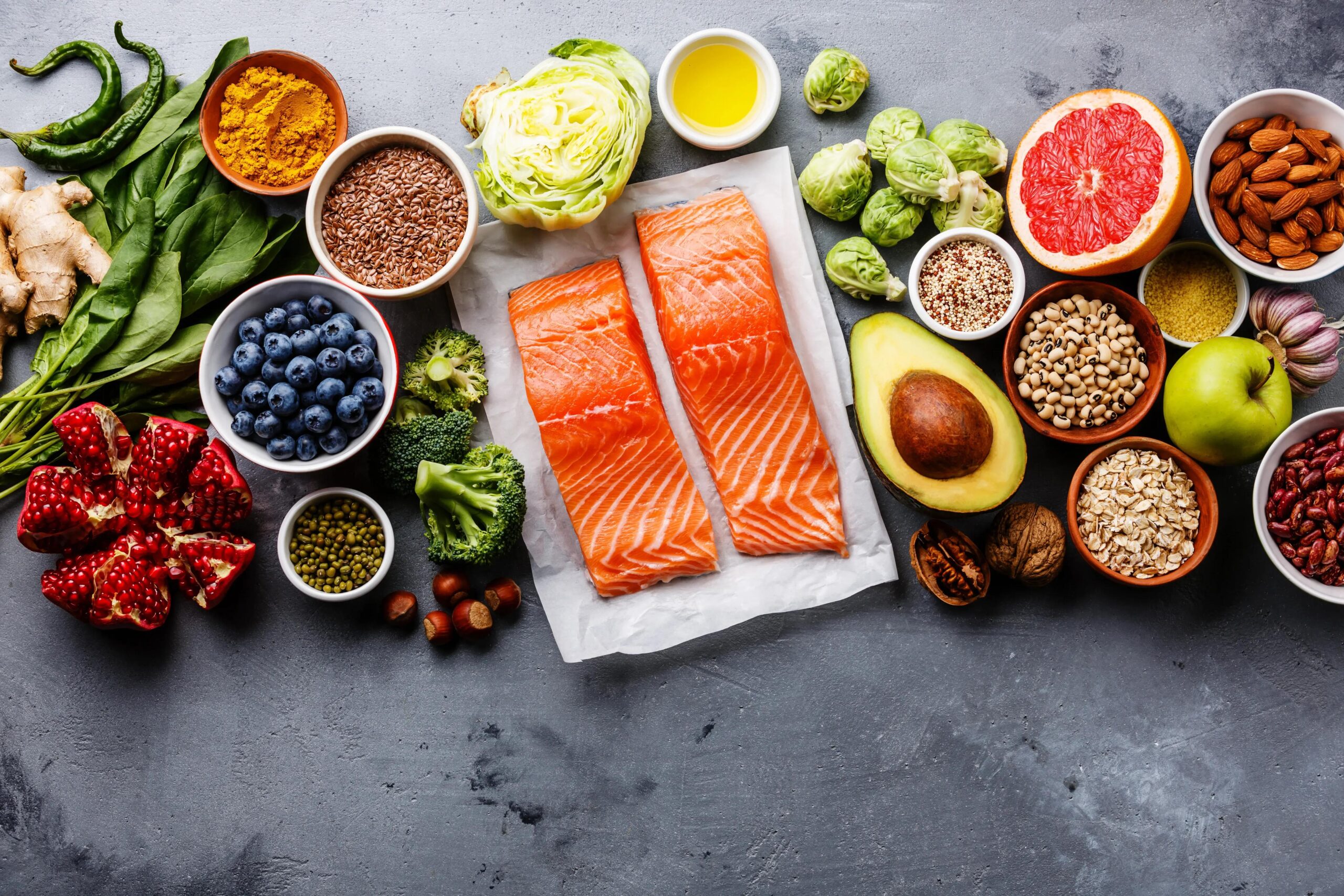
A varied diet that includes fiber-rich foods can support digestive health and overall well-being. You can also explore these foods for brain fog for more ideas about foods that support brain health. Depending on your needs and tolerance, useful choices may include vegetables, fruits, beans, lentils, whole grains, nuts and seeds.
However, there is an important distinction between supporting gut health and proving that a dietary change improves memory through the microbiome. The former is a reasonable health goal; the latter remains an active area of research.
You do not need to follow an extreme diet or buy expensive supplements to support your digestive health. If you want to increase your fiber intake, do so gradually and drink enough fluids. People with digestive conditions or particular dietary restrictions may need individualized guidance.
Should you buy a gut-health supplement for memory?
Be cautious about products that promise to repair your microbiome, reverse brain fog or prevent memory loss. Such claims can go beyond the evidence, especially when a product has not been tested for the specific outcome being advertised.
A supplement’s label may list multiple bacterial strains, but the number of strains alone does not establish that the product will improve memory. Study results depend on the specific microorganisms, dose, duration, population and outcome being measured.
For now, it is more sensible to approach gut-health supplements as products with specific potential uses—not as a shortcut to better memory.
What Can You Do to Support Your Gut and Brain Health?
Although scientists have not established a gut-bacteria treatment for memory loss, you can take practical steps to support your overall health while the research develops.
Build a varied diet. Include a range of plant foods and fiber sources that suit your digestive system. Variety can support a diverse gut microbiome, although no single food guarantees better memory.
Pay attention to digestive symptoms. If bloating, diarrhea, constipation or abdominal discomfort persists, changes suddenly or interferes with daily life, seek medical advice. Treating the underlying cause is more useful than trying to correct an assumed bacterial imbalance.
Protect your sleep. Sleep supports learning and memory, and poor sleep can make concentration and recall more difficult. Persistent snoring, gasping during sleep or excessive daytime sleepiness may warrant medical evaluation.
If sleep is a concern, learn more about common causes of trouble staying asleep and how to address them.
Stay physically active. Regular physical activity supports cardiovascular and metabolic health, which are important parts of long-term brain health.
Keep your mind and social life active. Learning, meaningful social interaction and mentally engaging activities can help you maintain an active lifestyle. These habits support broader brain health, even though they do not prove that changing gut bacteria will improve memory.
Avoid self-diagnosis. Neither digestive symptoms nor a commercial microbiome test can, by themselves, establish the cause of memory problems. If forgetfulness is persistent, worsening or interfering with your everyday life, discuss it with a healthcare professional.
You can also explore the Brain Health Score to review everyday areas of brain health and identify which may deserve more attention. It is a starting point for reflection and prioritization, not a diagnostic test for memory problems or gut-related conditions.
When Should You Get Memory Changes Checked?
Occasional forgetfulness happens to many people. However, memory changes that persist, worsen or interfere with work, relationships or daily activities deserve attention.
Memory problems can have many possible causes, including sleep difficulties, stress, anxiety, depression, medication effects and other health conditions. Some causes are treatable, so it is important not to assume that changes in memory are simply part of aging—or that gut bacteria are to blame.
If you are concerned about your memory, arrange an assessment with a healthcare professional. They can review your symptoms, medications, sleep and medical history, and determine whether further evaluation is appropriate.
You can read the NHS guidance on memory loss and when to seek help.
Final Thoughts: The Gut-Brain Connection Is Promising, but the Science Is Still Developing
Can gut bacteria affect your memory? Research suggests that they may influence processes involved in brain function, and experiments in mice have shown that changing gut microbes can affect memory performance. Human studies are beginning to explore similar relationships, but they have not yet established a reliable way to improve memory simply by changing gut bacteria.
That distinction matters. Digestive symptoms do not automatically explain brain fog or forgetfulness, and probiotics are not a proven solution for memory loss. Supporting your gut health through a varied diet and sensible habits is worthwhile, but it should not replace proper evaluation when memory changes are persistent or concerning.
The most useful approach is to stay curious without jumping to conclusions. Scientists are learning more about the gut-brain axis, but for now, the evidence supports further investigation—not promises of a quick fix.